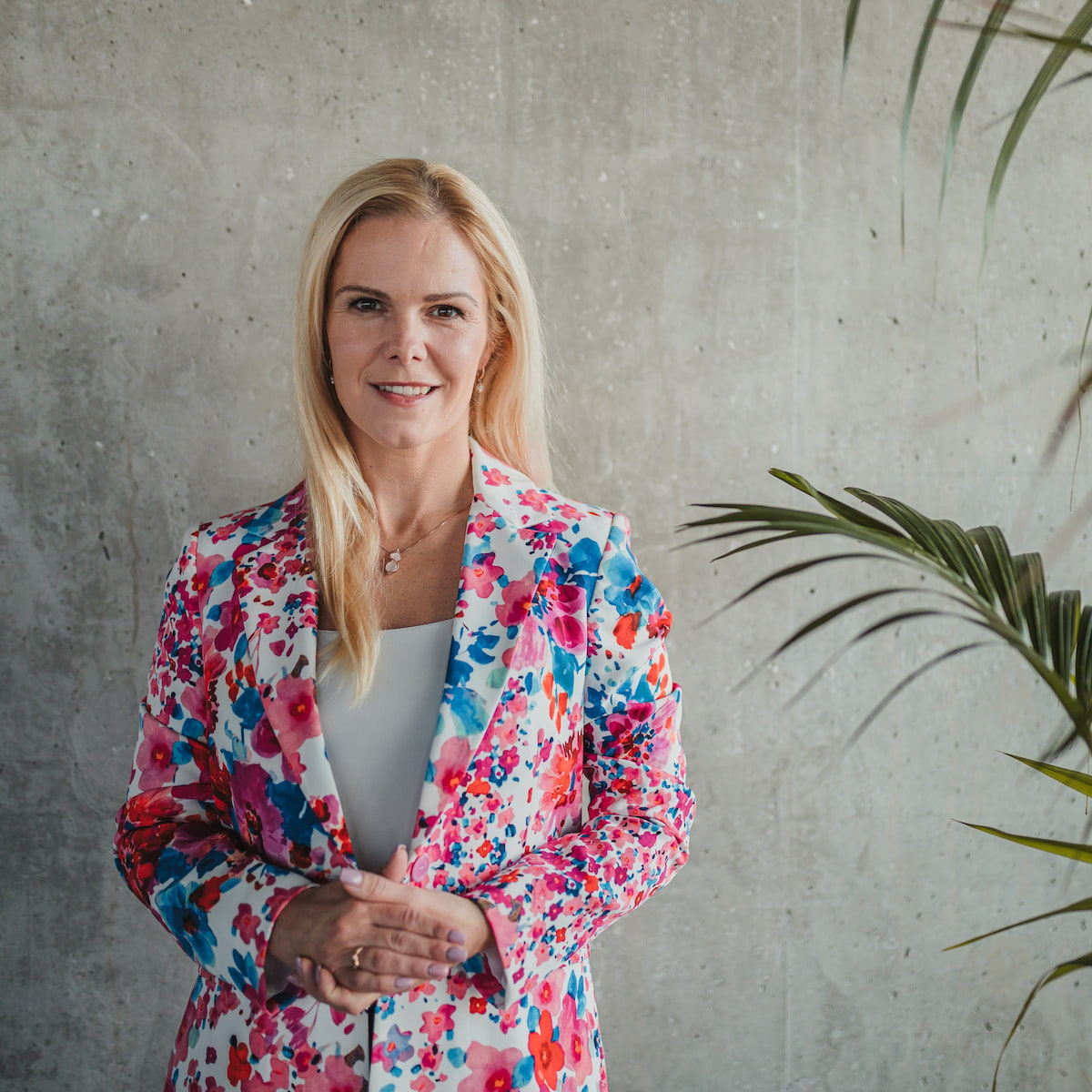
Catlin Vatsel: A first home does not have to be perfect, it has to be affordable
19. january 2026Catlin Vatsel, Head of the Private Financing Department at LHV, explains the options young people have for purchasing their first home even when their starting position is not ideal, and why it makes sense to approach a bank sooner rather than later.
Young people’s interest in buying their own home in Estonia remains very strong. Often, the idea of a first home arises at the same time as a more independent phase of life begins: moving to another city to study, starting a first full-time job or finally wanting to live on one’s own.
Buying a home is a natural and positive step, but rapid price growth over the past decade has made it more challenging than before. The issue is not a lack of willingness among young people, but rather how to meet the financial prerequisites required to purchase a home.
Young people are interested in buying a home
A Norstat survey commissioned by LHV shows that young people in Estonia are willing to make an effort in order to buy their own home: most are saving, some take on additional work or consider investing. The biggest obstacle for young people is accumulating the required down payment, not access to a loan.
I often meet young people who believe that if they lack a down payment or ideal collateral, there is no point in approaching a bank at all. In reality, there are more solutions available.
If the down payment is insufficient, additional collateral, such as property owned by parents, can help with a first home loan, as can government-backed measures like the home loan guarantee provided by the Estonian Business and Innovation Agency. For some young people, a parent becomes a co-applicant in order to support their child’s first step into the real estate market.
A first home therefore does not have to start from ideal circumstances. I always emphasise during loan consultations that the solution must be clear and affordable for everyone involved – this is what matters most. These are often temporary solutions that allow people to move forward later on.
Buying a home is not a sprint
Over the past year, young people’s borrowing capacity and sense of financial security have improved somewhat. The decline in Euribor has made loan payments more predictable and the labour market has remained strong.
When making a lending decision, a bank always looks at the overall picture: the borrower’s income and obligations, and how much of their monthly income would go toward loan repayments.
Saving habits are also a positive signal, as they show that a person can plan their finances over the long term. Buying a home is not a sprint but a long journey, where every informed step counts.
Most often, what prevents young people from entering into a loan agreement is not that they fail to qualify for a loan, but that they expect too much from their first home or are afraid to approach a bank too early. In practice, a first home is usually the so-called starter home: smaller than desired, more modest, and involving compromises. It is an intermediate stage, not the final destination.
What matters is not that the first home be a dream home, but that it helps the buyer move from being a lessee to an owner and lays the foundation for the future, I often tell loan applicants. A consciously chosen first home gives young people greater security over time, as well as opportunities to take the next steps in real estate.

 A little-known option: a young person can take out their first home loan with the help of their parents10. october 2026Financial wisdom/Banking/Youth Bank
 Before taking out a home loan, give it a trial run for a couple of months01. october 2026Youth Bank/Banking/Financial wisdom/Economy