September 2026: Seeking Value, Maintaining Protection
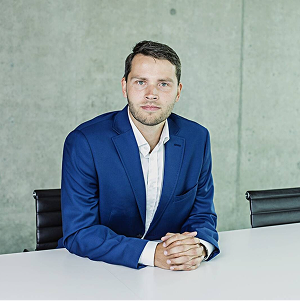
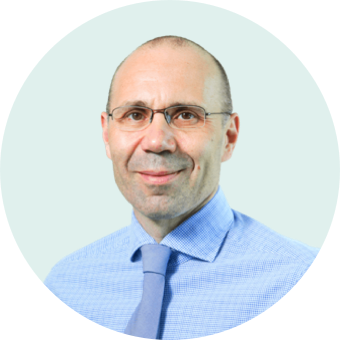
Kristo Oidermaa and Romet Enok, Fund Managers
Following the recovery in August, markets were calmer in September. The S&P 500 fell by 0.5% in US dollar terms, while the NASDAQ rose by 1.9%, supported by the technology sector. In contrast, the Euro Stoxx 50 index declined by 2.3% in euro terms. The US dollar strengthened by 2.5% against the euro, meaning that the US indices delivered significantly better returns in euro terms. For example, the S&P 500 rose by 2% in euros.
The emerging markets index lost 0.8% of its value in US dollar terms in September. Taiwan (3.7%) and South Korea (2.2%) once again led the gains, supported by the semiconductor sector, while Brazil also rose by 3%. The biggest decliners were South Africa (–10%), held back by falling gold prices, India (–7.1%) and Mexico (–6.8%). China’s index fell by 4.8% in US dollar terms. Precious metals gave back some of their August gains: gold fell by 6.3% over the month and silver by 9.2%. West Texas Intermediate (WTI) crude oil rose by 5.4% in US dollar terms, while copper gained 0.6%. The OMX Baltic Benchmark index added approximately 1.3% over the month.
In September, we increased our exposure to gold and re-established our position in AngloGold, which we had sold in August. During the month, we also bought shares in technology company Amazon for the portfolios. We sold our holdings in German company Ionos and US company Teledyne. Following a sharp rise in its share price, we reduced our exposure to Fortum by one-third, after news broke in September that Alphabet would build a data centre in Finland.
Last month, Fortum made a significant positive contribution to the fund’s performance, while investments related to precious and energy metals weighed on returns.
We continue to look for high-quality companies for our portfolios that are market leaders in their respective niches and trade at reasonable valuation multiples. To provide a counterbalance, we maintain positions in commodities that offer protection in an inflationary environment.
In September, Eastnine, one of the companies represented in the bond portfolio, announced that it had completed its second major transaction in Warsaw, acquiring the Bridge office building for €240 million. As a result of this transaction, the centre of gravity of the company’s portfolio is shifting increasingly from the Baltics towards Poland. In addition to equity and financing from local and German-Austrian banks, the company’s funding sources include subordinated bonds issued directly to LHV pension funds, carrying an interest rate of 8.5%.
In another development, Liven repaid the bonds issued to finance the Kadakadabra development project after the project reached its next stage, with further progress to be funded by a development loan from a bank.
September was once again a month of declines in international bond markets. We continue to wait for buying opportunities and have not made any new purchases.
August 2026: A strong result, supported by gold
Kristo Oidermaa and Romet Enok, Fund Managers
In August, markets recovered from the decline at the end of July. The S&P 500 rose 3% in US dollar terms, NASDAQ gained 3.9%, and the Euro Stoxx 50 increased 1% in euro terms. The emerging markets index rose 3% over the month in US dollar terms. This growth was led by South Korea and Taiwan, thanks to the semiconductor sector, and South Africa, supported by gold-related companies. The Chinese index fell 1% in US dollar terms.
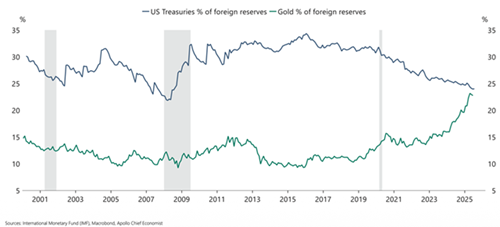
Precious metals such as gold and silver saw strong demand, gaining 10% and 16%, respectively, in US dollar terms over the month. Oil (WTI) also rose 1% in US dollar terms, while copper gained 4%. The OMX Baltic Benchmark index ended the month at approximately the same level at which it started.
In August, we sold the shares of the gold mining company AngloGold, which we had purchased in July. They had appreciated by 48% in a month due to a sharp rise in gold prices. Despite this, we continue to hold a large strategic position in gold. As a new investment, we added Teledyne Technologies—a US industrial and technology company with a manufacturing unit in Estonia—to our portfolios. Additionally, we slightly increased the allocation of several individual investments across the portfolios.
Last month, companies related to gold and copper made the largest positive contribution to the fund’s performance. Conversely, the main drags on performance were companies benefiting from US industrial sector and infrastructure investments, as well as our Chinese holdings. We continue to seek opportunities in high-quality companies that are growing and trading at reasonable valuation multiples. We also look for opportunities in areas that have been overlooked by other market participants.
Proxima Fusion—an investment of Plural, a fund within the pension fund’s private equity portfolio—raised €411 million. The funding round was led by Google. Previous investors also participated, including Plural, which supported the fusion energy company at a very early stage back in April 2023. The capital will be used to build a pilot plant near Munich.
In bond markets, August continued where July had left off: investors are demanding increasingly higher interest rates to finance countries’ seemingly endless budget deficits. Of course, there has been no significant overnight change in countries’ budgets; rather, this issue has suddenly moved more to the forefront of investors’ attention. Inflation running faster than usual in recent months continues to add fuel to the fire, which is why rising interest rates are ultimately reaching all of us through higher Euribor rates. For savers, including pension fund investors, however, rising interest rates mean higher expected returns.
As we have mentioned before, for some time now we have avoided investing in longer-term bonds and instead hold short-term bonds, as these benefit the most from rising interest rates.
July 2026: July brought a new technology giant to the portfolio
Kristo Oidermaa and Romet Enok, Fund Managers
In July, we initiated a new position in Microsoft and increased our exposure to Kitron and gold-related companies. The main contributors to performance during the month were the European banking index, investments in China and the energy sector, and Microsoft. The weakest performers were companies benefiting from investments in the US industrial and infrastructure sectors, as well as Fortum and ASML.
We continue to look for opportunities in high-quality companies with strong growth prospects and reasonable valuations. We are also seeking opportunities in areas that have been overlooked by other market participants.
The S&P 500 was broadly unchanged in July, declining 0.1% in US dollar terms, while the Nasdaq fell 3.2% and the STOXX Europe 50 gained 0.6% in euro terms. The emerging markets index declined 3.3% in US dollar terms, while its largest constituent, China, gained 8.6%. The decline in the broader index was driven by countries with significant exposure to the semiconductor sector: South Korea fell 17.9%, Taiwan 5.8%, and the MSCI Emerging Markets Information Technology Index 12.8%, all in US dollar terms. Meanwhile, WTI crude oil rose 21.8%, copper gained 3.4%, and gold increased 1.0%, while silver declined 1.7%. The OMX Baltic Benchmark Index gained 1.7% during July.
June 2026: A changing market calls for a selective approach
Kristo Oidermaa and Romet Enok, Fund Managers
Liven has announced the launch of sales at its Kadakadabra development in Haabersti. The first phase will comprise 98 new homes, with around 400 planned in total. LHV pension funds financed Liven’s acquisition of the development site through a bond investment. Now that apartment sales have begun, Liven is expected to secure a bank loan to finance construction, at which point our funds’ investment will be repaid. Until then, the bond pays annual interest of 8.5%.
May 2026: Rising Markets and New Investments
Kristo Oidermaa and Romet Enok, Fund Managers
May was another strong month for global markets. U.S. equity indices reached new record highs despite the ongoing crisis in the Middle East remaining unresolved and the Strait of Hormuz continuing to be closed. The S&P 500 Index gained 5% in U.S. dollar terms during the month and is up 11% since the beginning of the year. Europe’s Stoxx 50 Index advanced 4% in euro terms in May and has risen 6% year-to-date. The technology-focused Nasdaq Composite increased by 8%, while the Japanese market gained 10% in U.S. dollar terms and is up an impressive 29% since the start of the year.
Among emerging markets, South Korea and Taiwan once again led performance last month, supported by continued strong demand for semiconductors. In U.S. dollar terms, these markets rose by 35% and 16%, respectively. China, the largest constituent of the emerging markets universe, declined by 3% during the month. Brent crude oil fell by approximately 15% in U.S. dollar terms, while gold declined by 2%. Copper, however, gained 5% and silver rose 2%. The OMX Baltic Benchmark Index decreased by 1% over the month.
During May, we added shares of U.S. home improvement retailer Home Depot and Swedish industrial technology company Kitron to our equity portfolios. Positions linked to copper and investments in European banks made particularly strong contributions to performance. On the other hand, returns were negatively affected by the Finnish energy company Fortum, emerging market holdings, and energy-related investments. At a time when markets are reaching new all-time highs and valuation multiples are elevated across many sectors, we continue to seek opportunities in areas overlooked by other market participants and therefore trading at attractive valuations.
In the bond portfolio, one of our largest holdings, Eesti Energia, was a notable source of news. In May, the company raised €300 million in the international bond markets. We remain invested in the company’s longer-dated bonds, which feature a somewhat more complex structure. Eesti Energia’s shift from bank-based financing back to bond market funding enhances the company’s transparency and accessibility for investors, while also increasing the value of our investment.
April 2026: April Brought Relief to Investors
Kristo Oidermaa and Romet Enok, Fund Managers
In April, we did not make any major stock purchase or sale transactions in the portfolios. The strongest positive contributors to portfolio returns were U.S. industrial and European banking index funds, as well as United Rentals, which significantly exceeded expectations with its quarterly results. The largest negative contributors were physical gold and gold miners, Stora Enso, and energy-related positions. During periods of geopolitical tension, our portfolios are supported by commodity-related positions, and in a volatile environment we continuously seek new investment opportunities.
April was a very positive month for equity markets, largely driven by the ceasefire between Iran, the United States, and Israel. The S&P 500 and Nasdaq rose by +10% and +15% respectively in USD terms, while Europe’s Euro Stoxx 50 gained +6% in EUR terms. The Japanese, South Korean, and Taiwanese markets, which had fallen sharply in the previous month, rebounded strongly in April, rising by +18%, +37%, and +27% respectively in USD terms. The emerging markets index gained +14.5% in USD terms, while its largest constituent, China, rose by only +3.5%. Brent crude oil increased by approximately +7% in USD terms, copper by +5, while gold declined by -1%. The OMX Baltic Benchmark Index rose by +4% during the month.
March 2026: Staying on course in a challenging quarter
Kristo Oidermaa and Romet Enok, Fund Managers
The most notable development in the fund’s bond portfolio in March was the successful public equity offering carried out by Baltic Horizon, with proceeds partly used for the early redemption of outstanding bonds. Within less than three years, the company has repaid approximately three-quarters of its bond volume ahead of maturity.
LHV funds earn interest on the investment at a rate of 8% + Euribor, in addition to early redemption fees.
In the current uncertain environment—characterized by heightened geopolitical tensions and disruptions in energy supply—energy-related investments continue to provide support to our portfolios.
Due to supply disruptions in oil and natural gas linked to the war in Iran, energy positions contributed the most to March performance, including holdings such as Fortum, TotalEnergies, Noble Corporation, and Antero Resources.
During the month, we exited our position in the German mid-cap ETF tracking the MDAX and moderately reduced exposure to gold miners and energy. We initiated positions in European cement producers Heidelberg Materials and Holcim. Additionally, we increased our position in limestone producer SigmaRoc, which was also added for the first time to the Entrepreneurial fund.
In March, global equity markets declined due to the war in Iran: the S&P 500 and Nasdaq Composite fell by approximately 5% in USD terms, while Europe’s Euro Stoxx 50 declined by 9% in EUR terms.
Asian markets, which had previously rallied strongly on semiconductor-driven optimism, were also significantly impacted. For example, markets in South Korea and Japan declined by 25% and 15% in USD terms, respectively.
The emerging markets index fell by 13% in USD terms over the month, with its largest constituent, China, declining by 8%. Brent crude oil prices rose by 36% in USD terms, while copper prices fell by 8% and gold prices declined by 12%. The OMX Baltic Benchmark Index ended the month approximately flat.
February 2026: An Uncertain World, Certain Choices
Kristo Oidermaa and Romet Enok, Fund Managers
In February, the software sector was shaken by artificial intelligence. As a result, indices with a high share of large technology companies, such as the S&P 500 and Nasdaq 100, declined by 1% and 3.4% respectively when measured in dollars. Meanwhile, the more traditional Euro Stoxx 50 remained strong, rising 3.3% over the month in euros.
Emerging markets continued their rally last month, driven by Taiwan and Korea thanks to the semiconductor industry. The largest emerging market, China, fell by approximately 6% in dollar terms. The OMX Baltic Benchmark index declined by about 1.8% in euros in February.
In February, we increased the funds’ exposure to China and sold off Novo Nordisk and Valaris. During the month, the largest contributions to fund performance came from investments related to metals and energy, as well as the wood industry company Stora Enso. In the current uncertain environment, with geopolitical tensions rising globally, energy-related positions provide support to our portfolios.
January 2026: Commodities made a positive contribution
Kristo Oidermaa and Romet Enok, Fund Managers
In January, following the sharp rise in metals prices, we reduced our exposure to metals-related investments in order to lower risk. On the buying side, we focused on the energy sector. The biggest contributors to monthly performance were metals-related positions and Fortum Oyj, which is linked to the electrification trend. We remain cautious, expecting that widening government budget deficits could stimulate the economy and markets, but we balance this by maintaining investments in commodities to hedge the inflation risk that may result.
In January, the S&P 500 rose by 1.4% in USD terms and by 0.2% in EUR terms, while the Euro Stoxx 50 gained 2.8% in EUR terms. The strong rise in metal prices continued in the first month of the year: gold, silver and copper appreciated by 13%, 19% and 5% in USD terms, respectively. The emerging markets index climbed 9% in USD terms, driven largely by Latin American markets. The OMX Baltic Benchmark index increased by approximately 0.7% in EUR terms.
Latvian premium chocolate truffle producer Pure Chocolate completed a management buyout, acquiring a controlling stake from BaltCap Latvia Venture Capital Fund, the previous owner. The transaction, worth more than EUR 3 million, was financed by BluOr Bank and supported by the state development fund ALTUM. As a result, the company will remain in Latvia: the new controlling owners are three Latvian entrepreneurial families, ensuring Pure Chocolate’s long-term development in its home market. According to Chairman of the Management Board Normunds Sala, the deal was a strategic step to preserve a strong Latvian brand and accelerate its international growth.
December 2025: a successful year comes to a close
Kristo Oidermaa and Romet Enok, Fund Managers
In December, U.S. markets mostly moved sideways. Measured in dollars, the S&P 500 posted a full-year return of 16.4% and the Nasdaq Composite 20.4%, but due to the weakening of the dollar, returns measured in euros were much lower — 2.6% and 6.1% respectively.
Europe’s Euro Stoxx 50 rose by 2.2% in euro terms during December, with Austria, Spain and Finland making the biggest contributions by country. The emerging markets index gained 2.7% in dollar terms, driven mainly by Korea, Peru and Chile. The OMX Baltic Benchmark index increased by 4.8% in euro terms in December.
The main winners of the past year were Europe (up 21%), South America (46%), Africa (54%) and Asia (30%) rather than the United States. Metals were also very strong: gold rose 65%, silver 148%, copper 43% and palladium 97%. Oil was weak in 2025, with West Texas Intermediate (WTI) crude falling 20% over the year. The OMX Baltic index rose 19% last year.
In the final month of 2025, we did not make any major transactions in the equity portfolios. The largest contributors to the fund’s performance in December were metals linked to electrification, a European banks index fund, and gold-related investments.
Looking at the year as a whole, the fund’s 13.3% return was shaped largely by the same factors as in December. In 2025, the U.S. dollar was a major loser, but we have hedged this risk in our portfolios using derivatives.
Going forward, we see interesting opportunities across the world. For example, in Europe and Asia, rising government budget deficits could support economic growth and markets, while in South America a weaker dollar supports attractive opportunities. There is also an increased chance that inflation will accelerate in 2026, which is why we consider commodities to be a critical part of the fund’s portfolio.
In December, Netflix acquired Ready Player Me, a company founded by Estonian entrepreneurs that had been part of the fund’s venture capital portfolio. The company’s solution allows users to create a single virtual character (avatar) that can be used across many games and applications. The process is simple: the user takes a photo, and the system generates a 3D model from it. This is also useful for game developers, who no longer need to build complex character systems from scratch. Netflix wants its games to be more interconnected, and thanks to this deal, players will be able to use their avatar across multiple Netflix games, making the gaming experience more personal and social. The company had previously been in the portfolios of the venture capital fund Plural and Trind Ventures.
November 2025: Gold helped withstand the nervousness in equity markets
Kristo Oidermaa and Romet Enok, Fund Managers
November was volatile in equity markets. This was driven by concerns over the high valuation multiples of companies related to artificial intelligence and uncertainty over how profitable the massive investments into AI data centres will ultimately be.
The S&P 500 and Euro Stoxx 50 indices ended the month at the same level where they started. Since the beginning of the year, they have risen 16.4% and 18.6% respectively in their local currencies. Measured in euros, the S&P 500 has gained only 4% year-to-date, as the dollar has weakened against the euro.
The Nasdaq Composite index fell 1.5% in November in dollar terms. The price of a barrel of WTI oil declined 4% over the month in dollars and is down 18% since the start of the year. The emerging markets index lost 2.5% in dollar terms during the month, bringing its year-to-date return to 27%. The most profitable emerging-market region this year has been Latin America, up 47% since the start of the year. The OMX Baltic Benchmark index rose 1.9% in November in euro terms.
We did not make any major purchases in November. The biggest contributors to performance during the month were our gold-related positions, the European banks index fund, and companies associated with natural gas.
In the portfolios, we invest in high-quality and niche-strong companies in the United States, the Nordic countries, and Central Europe. In the United States, we have hedged the portfolio’s exposure to the US dollar through a derivative instrument, as we see currency risk as the largest risk in investing there. In addition, we hold investments with exposure to commodities, which offer protection against inflation.
October 2025: Metals and Nordic companies drove performance
Kristo Oidermaa and Romet Enok, Fund Managers
October continued on an optimistic note in the U.S. markets, with the S&P 500 and Nasdaq Composite indices rising in dollar terms by 2.3% and 4.7%, respectively. Since the beginning of the year, the S&P 500 has gained 16.3%. The Euro Stoxx 50 index increased by 2.5% in euro terms in October.
The emerging markets index rose by 4.1% in dollar terms last month, although its largest component, China, had to settle for a 3.9% decline. Emerging markets were driven by South Korea and Taiwan, where several semiconductor companies have benefited significantly from the large-scale construction of data centers. The OMX Baltic Benchmark Index, measured in euros, fell by 1.4%.
In October, we increased our investments in the Nordic countries and Central Europe while reducing our exposure to energy-related metals. Among new names, we added Addtech AB and Adidas to the portfolio and further increased our position in Indutrade.
The biggest contributors to the fund’s performance in October were precious metals and energy-related metals, while Nordic companies also delivered solid results. We continue to see good opportunities in the Nordics. We have been investing there for a long time, as the region is home to strong and well-managed companies that are leaders in their niches. We believe the outlook for the industrial sector in the Nordics is improving, and this is not yet reflected in stock prices.
In the fund’s private equity portfolio, the Switzerland-based private equity firm Partners Group sold its 25% stake in the global logistics company Apex Logistics last month. The transaction valued Apex Logistics at more than USD 4 billion and delivered strong returns to Partners Group’s investors. Working together with the majority owner, Kuehne+Nagel, Partners Group helped the company grow from a regional transport provider into an international logistics platform by expanding air freight capacity, strengthening its service offering, and developing technological solutions for servicing major clients. Apex Logistics serves more than 20,000 customers in over 70 countries. The sale of the stake provides Apex with an opportunity to continue its growth supported by Kuehne+Nagel’s global network.
September 2025: We increased investments in Europe
Kristo Oidermaa and Romet Enok, Fund Managers
September continued with a positive sentiment in U.S. markets, with the S&P 500 and Nasdaq Composite indices rising by 3.5% and 5.6% in dollar terms, respectively. European markets also performed well, with the Euro Stoxx 50 increasing by 3.4% in euro terms. Emerging markets gained 7% in dollar terms, with the index’s largest member, China, rising by as much as 9.5%. In contrast, the Baltic OMX Baltic Benchmark index fell by 2% in euro terms over the month.
During the month, we increased investments across various industries in Europe. The largest contributors to September’s returns were investments exposed to electrification and precious metals. We continue to see strong potential in precious metals, supported by a weakening dollar, easing monetary policy, and significant central bank purchasing interest.
In September, U.S.- and Israel-based cybersecurity company Cyberbit acquired the Estonian-founded company Rangeforce, which was part of the Trind Ventures portfolio — one of the fund’s investments. With this acquisition, Cyberbit aims to build a global platform combining individual skill development and team-based cyber crisis simulations. The deal strengthens Cyberbit’s position as a leading provider of cyber training, offering organizations a comprehensive solution from employee training to realistic attack simulations. Rangeforce’s cloud-based learning environment complements Cyberbit’s real-time exercise capabilities, expanding its training portfolio for both individuals and teams.
August 2025: Gold continues to support fund performance
Kristo Oidermaa and Romet Enok, Fund Managers
August was a positive month for US markets, with the S&P 500 and Nasdaq Composite rising 1.9% and 1.6% respectively in dollar terms. The Euro Stoxx 50 gained 0.6% in euros, while emerging markets were up 1.2% in dollars. Within that, China rose 4.9% and Latin America 7.5%. Closer to home, the OMX Baltic Benchmark Index ended the month where it started.
Donald Trump’s attempts to curb the independence of the Federal Reserve, and expectations that the Fed will ease monetary policy, have boosted investor demand for gold. As a result, our large gold position was again the biggest contributor to performance in August.
Gold mining companies were particularly strong last month, gaining about 24%. Investments linked to electrification also performed well, rising about 8%. We have hedged the dollar exposure on our US equities with a derivative instrument, which also made a significant contribution in August given the weaker dollar.
We continue to see attractive opportunities in German equities, supported by the government’s planned large-scale spending on infrastructure and defence.
In the private equity portfolio, Astorg acquired a stake in Germany’s leading insurance broker Attikon. This strengthens the company’s position as a key intermediary in commercial insurance. Attikon has quickly grown to become one of the three largest residential real estate brokers in Germany, serving more than 30,000 clients across five major cities. The investment will accelerate its M&A strategy, increase digitalisation and support expansion into new service areas.
As a result of these developments, Attikon has become a growing platform with around 230 employees, a strong presence in attractive niche markets and ambitions to become one of Germany’s leading brokerage groups. The investment was made through Astorg’s Mid-Cap fund, its seventh deal but the first in the business services sector. Astorg itself manages more than €23 billion in assets, operating across Europe and the US, with a focus on healthcare, software and technology, and business services.
July 2025: Attractive outlook for the German economy
Kristo Oidermaa and Romet Enok, Fund Managers
July brought continued gains in US markets, with the S&P 500 and Nasdaq Composite rising by 2.2% and 3.7% in dollars. The euro zone’s Euro Stoxx 50 gained 0.4% over the month in euro terms. Emerging markets were up 1.7% in dollar terms, with China – the index’s largest component – adding 4.5% in dollars. Latin America fell by 4.6% in dollars, while the Baltic OMX Baltic Benchmark Index rose by 2.4% in euros.
Last month, we increased our exposure to Germany, as the infrastructure fund planned by Friedrich Merz’s government and the accompanying rise in the budget deficit are set to stimulate the country’s economy. New additions to the portfolio included Ionos Group, Lanxess, Vossloh and SigmaRoc.
The strongest contributions to the fund’s July performance came from European banks, gold-related positions and US companies open to growth in industrial investment in critical sectors. In the US, we continue to see the dollar as the main risk, which is why we have fully hedged our US equity exposure against currency fluctuations.
In the private equity portfolio, Piletilevi acquired full ownership of its Romanian operations, enabling the company to now offer the country’s most comprehensive ticketing service. This move reinforces Piletilevi’s investment thesis for Central and Eastern Europe: in June, the portfolio added Ticketportal in the Czech Republic and Slovakia, consolidating local market players under one roof and increasing bargaining power with partners, advertising channels and payment providers. As a result of all acquisitions completed to date, Piletilevi’s ticket sales volume now exceeds €600 million, with more than 21 million tickets sold annually.
In the bond portfolio, AS Ekspress Grupp repaid its loan ahead of schedule. LHV pension funds had made a direct investment in the company in the form of bonds in 2018, with the funds used primarily to grow Ekspress Grupp’s digital subscription model for its media outlets. The company’s development has now reached a point where our bond investment has been replaced with a bank loan.
June 2025: Markets continued on an upward trend
Kristo Oidermaa and Romet Enok, Fund Managers
In June, the S&P 500 rose by 5% in dollar terms, returning to record highs, but due to the weaker dollar, the euro-denominated gain was just 1.3%. The Euro Stoxx 50 fell by 1.1% in euros. The emerging markets index rose 5.7% in dollars, with China – its largest component – up 3.1%. The OMX Baltic Benchmark Index declined by 0.7% in euros.
Markets continued to rally in June, with the S&P 500 back at record levels. The rally has been supported by expectations of major budget deficits under President Trump, strong labour market figures, and a growing belief that the trade war he initiated is now behind us. Top contributors to returns in June included names linked to copper and silver, as well as our position in Fortum, which has benefited from rising electricity prices in Scandinavia. The dollar continued to weaken against the euro, and we still see it as the main risk in US equities – which is why we have fully hedged our dollar exposure using derivatives. We continue to find strong opportunities in European equities, particularly in German names, which stand to benefit from the country’s widening budget deficit.
May 2025: Recovery of markets after the trade war
Kristo Oidermaa and Romet Enok, Fund Managers
In May, the S&P 500 rebounded by 6.2% in dollar terms, bringing year-to-date performance to +0.5%. The tech-focused Nasdaq Composite rose by around 10% for the month, and the Euro Stoxx 50 gained 5.1% in euros. Emerging markets were also up, with the index rising 4% in dollars – China, the largest constituent, advanced 2.4%. The OMX Baltic Benchmark Index was up 4.4% in euros.
Markets continued to recover from Donald Trump’s tariff war, which began on 2 April with “Liberation Day”. For now, investors see little risk of further escalation. Among the strongest contributors to performance in May were Germany’s mid-cap index, the European banks index, US companies exposed to industrial investment growth, and gold mining stocks, which have proven resilient in a highly volatile environment. Our exposure to US equities remains low. Within the US, we focus on companies linked to industrial investment in critical sectors such as semiconductor manufacturing and data centre development. We see the US dollar as the main risk, which we have fully hedged in our US equity positions. We continue to find strong opportunities in European equities, particularly in German names, which stand to benefit from the country’s widening budget deficit.
One of the fund’s largest holdings, Eesti Energia, issued public bonds aimed at local investors. The company raised funds for three years at a 5% interest rate. Last July, we invested in the longer-term subordinated bonds that Eesti Energia had issued to the European market. Their current expected return is around 7% annually, and the fund has earned nearly 9% since July. Raising fresh capital through a mix of instruments enables the company to increase its investment activities.
April 2025: Trump’s rollercoaster ride
Kristo Oidermaa and Romet Enok, Fund Managers
April started off poorly for markets, which were shaken by Donald Trump’s “Liberation Day” and the renewed trade war. However, a subsequent pause in tariff measures and easing tensions led to a strong rebound. The S&P 500 index ended the month down 0.8% in dollar terms. The European Euro Stoxx 50 index fell by 1.2% in euros, while emerging markets gained 1% in dollars. Latin America – particularly Mexico and Brazil – along with India led the way. China’s market declined by 4.6% in dollars. The OMX Baltic Benchmark index dropped 0.4% in euros.
Over the month, we traded the German DAX index to take advantage of the volatility and uncertainty driven by the trade war. We also exited our positions in DSV, Carlsberg and the Russell 2000 ETF. The strongest contributor to monthly performance was Fortum, which rose 6.8%, following better-than-expected quarterly results. Other positive contributors included the German MDAX ETF, up 2.85%, and our physical gold holding, which rose by 1.84%. The main detractors were our energy and energy metals holdings, which declined by 10–24%, Alibaba, down 14.6%, and gold miner Barrick Gold, which fell by approximately 5.6%. Over the past few months, we have added positions in Germany, where we see long-term potential stemming from larger government budget deficits – a development we believe could support local stock markets.
BaltCap, the largest private equity fund in the Baltics, announced the sale of Ridango, an Estonian technology firm operating in international markets, to its new owner – Bregal Milestone, a leading European software investor. BaltCap acquired a majority stake in Ridango in 2020 and supported the company’s rapid growth both organically and through acquisitions. Although the company’s largest office is currently in Estonia, plans are underway to relocate its headquarters to Sweden to facilitate future mergers and acquisitions. Ridango operates in multiple markets, providing automated fare collection and real-time passenger information solutions.
One of our major investments concluded in April when Lithuania’s Šiaulių Bankas repaid its subordinated bond. Between 2016 and 2019, we made subordinated bonds issued by local Baltic banks a key component of our portfolio. Šiaulių was the last of these investments – and now it is also the last to return capital. Over the years, the investment delivered an annual interest of 6.15%, a return that compares favourably even to most global stock market indices over the same period.